

Surgery Gallbladder
What is Gallbladder Surgery?
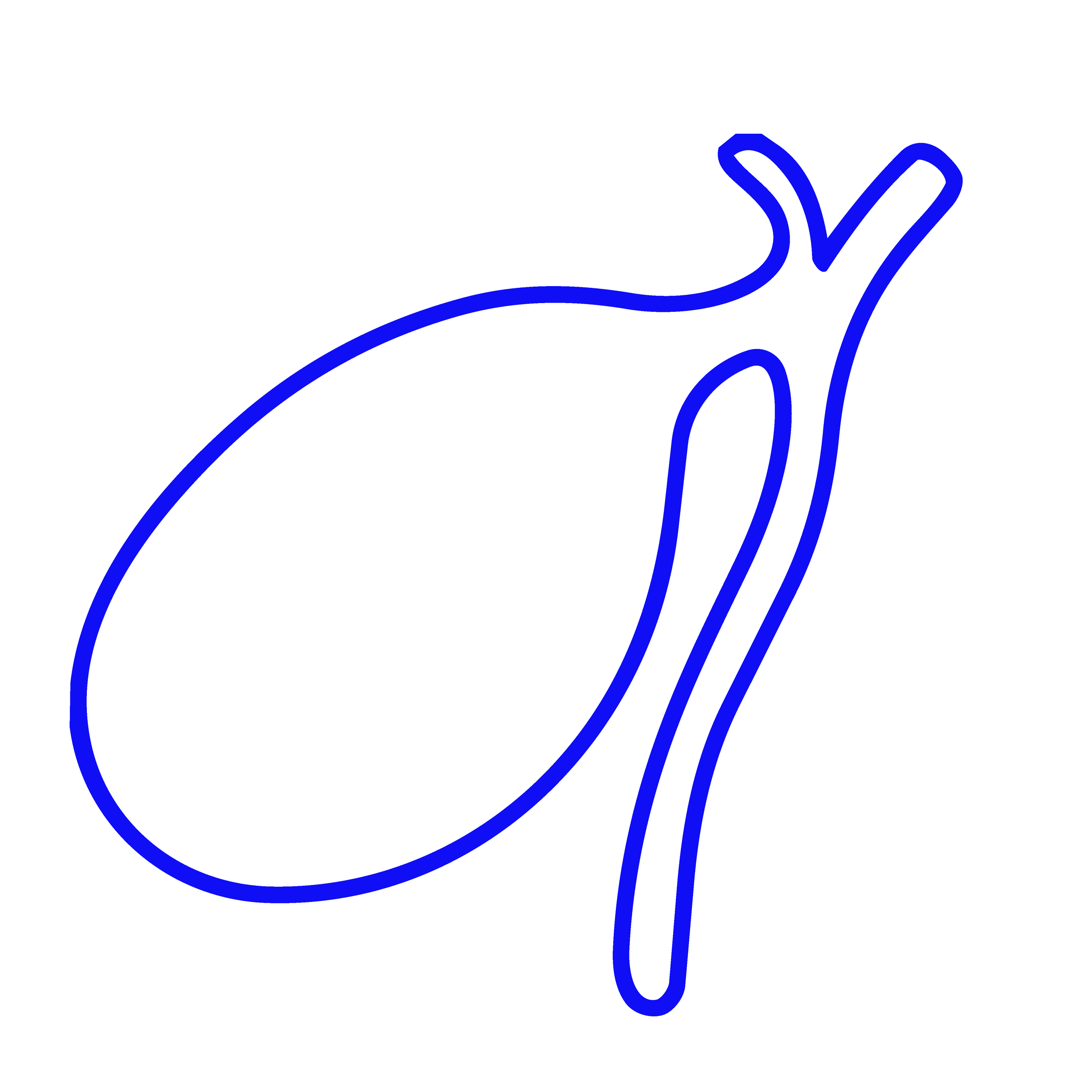
Gallbladder surgery, or cholecystectomy, is an operation to remove the gallbladder. The gallbladder is a small organ that sits under the liver on the right side of your abdomen. It stores bile which is the fluid your liver makes to help digest fat.
When gallstones form, the gallbladder can become painful or inflamed. Removing the gallbladder is the usual treatment when gallstones are causing symptoms, and you do not need a gallbladder to digest food normally. Instead, bile simply flows from the liver straight into the bowel.
Most gallbladder removals are done as keyhole surgery, or laparoscopic cholecystectomy, through several small cuts rather than one large one. It is done under general anaesthetic and usually takes about an hour. Most patients stay overnight at the hospital.

About Gallbladder Surgery
-
Gallstones are common and often cause no trouble at all. Surgery is considered when they start causing symptoms.
Patients will experience a strong pain in the upper right side of their abdomen, sometimes spreading to the back or right shoulder, often with nausea. It can last minutes or hours and often settles on its own.If a stone blocks the gallbladder's outlet, the gallbladder can become inflamed and infected, which is a condition called cholecystitis. A stone that moves into the bile duct can cause jaundice, a yellowing of the skin and eyes. Stones can also cause pancreatitis, inflammation of the pancreas. Once symptoms start, they usually return.
The gallbladder can also be removed because of polyps, growths in the gallbladder wall that are large or growing.
-
Before: You will fast from the night before or the morning of surgery, and the rooms will tell you which medications to stop. Dr Salter and your Anaesthetist will see you before you go into the operating theatre.
During: You will be asleep under general anaesthetic. The operation usually takes about an hour, and you will wake in the recovery room.
After: Expect some pain around the cuts and, commonly, a day or two of shoulder tip pain from the gas used during keyhole surgery. Dr Salter will call your next of kin once you are out, and will review you before you go home. Your GP will receive a letter from Dr Salter when you leave the hospital.
-
Most patients go home the day after surgery. Desk work is usually possible within two weeks, and physical work takes longer. You can drive generally after a week and when you can use the brake comfortably as well as reduced the use of strong pain relief medications. Avoid heavy lifting for a few weeks. These are typical timeframes and Dr Salter will advise you further.
-
Dr Salter’s rooms will send you what you need to know beforehand, including fasting times, medications and what to bring. The full checklist is on the Patient Information page. Please call the rooms if anything is unclear.